Poole on 1 Kings 5:1-6: Solomon and Hiram's Arrangement

Verse 1:[1] And (1 Kings 5:10, 18; 2 Chron. 2:3, Huram[2]) Hiram king of Tyre sent his servants unto Solomon; for he had heard that they had anointed him king in the room of his father: (2 Sam. 5:11; 1 Chron. 14:1; Amos 1:9) for Hiram was ever a lover of David.
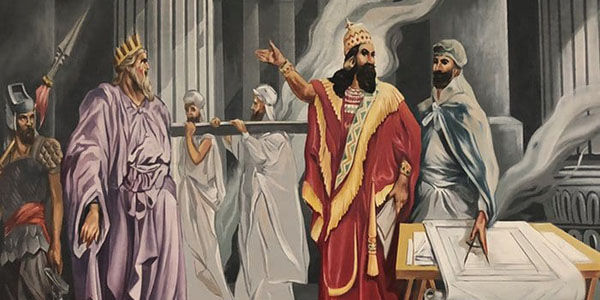
[Hiram sent his servants, etc.] That is, Legates, who congratulated him, and offered him all their own, as Kings are wont to do (Vatablus). But why did Hiram so long delay his legation? Response: Perhaps the legates were sent much earlier, but now mention is made of the legation on the occasion that from it the material for constructing the temple was sought (Martyr). Concerning the Epistles and enigmas between Hiram and Solomon, see what things we have gathered in the Annotations on Concerning the Truth of the Christian Religion[3] 3 (Grotius).
Hiram sent his servants unto Solomon, to wit, as soon as he heard of his succession in the throne, as the following words show, he sent to congratulate with him, as the manner of princes is.
[A friend of David continually] Hebrew: all the days,[4] namely, after they had entered into the friendship (Martyr).
Verse 2:[5] And (2 Chron. 2:3) Solomon sent to Hiram, saying…
Verse 3:[6] Thou knowest how that David my father could not build an house unto the name of the LORD his God (1 Chron. 22:8; 28:3) for the wars which were about him on every side, until the LORD put them under the soles of his feet.
Thou knowest, by common fame, and by particular information. Could not build an house unto the name of the Lord his God, that is, either, first, For the worship and service of God, 1 Kings 3:2. Or, secondly, For the Lord himself, as that phrase is used, Deuteronomy 28:58; Psalm 20:1; 52:9.
[Because of the wars] Wherewith he was pressed on every side (Vatablus); or, wars, that is, those intent on war (or enemies [Piscator]): This reason is plausible, yet not true; for he was unwilling to disclose the sin of his father (Vatablus).
Which were about him on every side; which diverted his cares and thoughts to other things, and withal occasioned God’s denial of the honour of that work to him.
[Under the sole of the feet of him] That is, of David. רַגְלָו, his feet, is written, but רַגְלָי, my feet, namely, Solomon’s, is read (Vatablus out of the Hebrews).
Put them under the soles of his feet, that is, made them subject to him, that he might trample upon them at his pleasure. Compare Psalm 8:6; 1 Corinthians 15:27.
Verse 4:[7] But now the LORD my God hath given me (1 Kings 4:24; 1 Chron. 22:9) rest on every side, so that there is neither adversary nor evil occurrent.
[Now the Lord has given rest] He does not say, David has given, but the Lord has given, etc. So also let us refer what good things come through second causes to the first cause. Moreover, Solomon was unwilling to squander the leisure divinely granted to him in idleness; that is to say, Since there is nothing for me to do abroad, I will restore religion at home (Martyr).
[There is no Satan] Adversary (Grotius, Tirinus), who could or would resist my efforts (Tirinus).
[Nor evil occurrence, פֶּ֥גַע רָֽע׃] That is, No adversary that might molest my country with incursions, and the encountering of whom I might fear (Vatablus).
Verse 5:[8] (2 Chron. 2:4) And, behold, I purpose (Heb. say[9]) to build an house unto the name of the LORD my God, (2 Sam. 7:13; 1 Chron. 17:12; 22:10) as the LORD spake unto David my father, saying, Thy son, whom I will set upon thy throne in thy room, he shall build an house unto my name.

[To the name of the Lord my God] Unto the honor of God, whom I worship (Vatablus).
Verse 6:[10] Now therefore command thou that they hew me (2 Chron. 2:8, 10) cedar trees out of Lebanon; and my servants shall be with thy servants: and unto thee will I give hire for thy servants according to all that thou shalt appoint (Heb. say[11]): for thou knowest that there is not among us any that can skill to hew timber like unto the Sidonians.
[Therefore, command, etc.] That the temple was built by the labor of the Gentiles insinuates a twofold mystery (Estius, Martyr): 1. the calling of the Gentiles; 2. that it is lawful for the pious to make use of the arts of the Heathen (both written and performed [Estius]) (Martyr, similarly Estius). The Jews, whether they like it or not, have need of the Heathen to build the church. But why does Solomon ask help of Hiram, rather than from others? Response: 1. On account of former friendship, and because Hiram had given cedar wood to David. See 2 Samuel 7.[12] 2. On account of the skill of the Tyrians, etc. (Martyr).
Command thou that they, that is, thy servants, as appears both from the foregoing words, command, etc., and from the following opposition of my servants. And this assistance which these Gentiles gave to the building of Solomon’s temple was a type of the calling of the Gentiles, and that they should be very instrumental in the building and constituting of Christ’s spiritual temple, to wit, his church.
[Cedars] He asks for these, because this wood, 1. is not bent under weight, and is extended; and is extended, but retains its rigidity; 2. does not beget nor nourish worms and larvæ; 3. is fragrant, beautiful, and does not much burden the walls; 4. lasts forever. Therefore, God in a certain way commends this wood, 2 Samuel 7, why not…from Cedars, etc. The temple of Diana was roofed with cedar[13] (Martyr). Question: Why would Solomon put himself to so much trouble over these, since there were enough previously provided by his father, of wood, and of masons and workmen, etc., 1 Chronicles 22:4, 14? Response: 1. Solomon intended something larger that was directed by his father; although he preserved the same form (Tostatus in Sanchez). 2. Solomon also planned other buildings; as what follows shows. 3. He asks the Tyrians only to hew the timber, etc., for he seems to have had better artisans for polishing it, whom his father had assembled (Sanchez).
Hew me cedar trees; which, for their soundness, and strength, and fragrancy, and durableness, were most excellent and proper for his design. Of these David had procured some, but not a sufficient number.
[Of Lebanon] This mountain was pertaining to the Tyrians and Sidonians (Sanchez). On the contrary, Lebanon was in the land of Israel; and so he did not ask Hiram to give the timber, but rather to send workmen (Munster). Mount Lebanon belonged to the Hebrews (Martyr).
Lebanon was either wholly or in part in Solomon’s jurisdiction; and therefore he doth not desire that Hiram would give him the cedars, because they were his own already; but only that his servants might hew them for him; which required art and skill in the time and manner of doing of it; all which the ingenious Tyrians well understood. My servants shall be with thy servants; either to be employed therein as they shall direct; or to receive the cedars, being cut down and hewed, from their hands, and to transmit them to me; although Hiram in his return eased him of that trouble. Unto thee will I give hire for thy servants, that is, pay them for their labour and art.
[There is not, etc.] We see here that God distributes His gifts variously; to the Hebrews the material was granted, to the others the craftsmanship (Martyr).
[Like unto the Sidonians] Because of the neighboring forests (Grotius). Many things must be observed, that high-quality timber might be felled correctly. Vitruvius,[14] Concerning Architecture[15] 2:9, has related many of these: 1. that the proper time be observed; 2. that the trees to be felled first be cut almost to the center; and thus be left standing for some time, so that they might be rendered drier; etc. I note these things, so that it might be understood that no common industry is required in the case of these (Martyr).
The Sidonians, or Tyrians; for these places and people being near, and subject to Hiram, are promiscuously used one for another.
[1] Hebrew: וַ֠יִּשְׁלַח חִירָ֙ם מֶֽלֶךְ־צ֤וֹר אֶת־עֲבָדָיו֙ אֶל־שְׁלֹמֹ֔ה כִּ֣י שָׁמַ֔ע כִּ֥י אֹת֛וֹ מָשְׁח֥וּ לְמֶ֖לֶךְ תַּ֣חַת אָבִ֑יהוּ כִּ֣י אֹהֵ֗ב הָיָ֥ה חִירָ֛ם לְדָוִ֖ד כָּל־הַיָּמִֽים׃ ס
[2] 2 Chronicles 2:3: “And Solomon sent to Huram (חוּרָם) the king of Tyre, saying, As thou didst deal with David my father, and didst send him cedars to build him an house to dwell therein, even so deal with me.”
[3] De Veritate Religionis Christianæ.
[4] Hebrew: כָּל־הַיָּמִים.
[5] Hebrew: וַיִּשְׁלַ֣ח שְׁלֹמֹ֔ה אֶל־חִירָ֖ם לֵאמֹֽר׃
[6] Hebrew: אַתָּ֙ה יָדַ֜עְתָּ אֶת־דָּוִ֣ד אָבִ֗י כִּ֣י לֹ֤א יָכֹל֙ לִבְנ֣וֹת בַּ֗יִת לְשֵׁם֙ יְהוָ֣ה אֱלֹהָ֔יו מִפְּנֵ֥י הַמִּלְחָמָ֖ה אֲשֶׁ֣ר סְבָבֻ֑הוּ עַ֤ד תֵּת־יְהוָה֙ אֹתָ֔ם תַּ֖חַת כַּפּ֥וֹת רַגְלָֽו׃
[7] Hebrew: וְעַתָּ֕ה הֵנִ֙יחַ יְהוָ֧ה אֱלֹהַ֛י לִ֖י מִסָּבִ֑יב אֵ֣ין שָׂטָ֔ן וְאֵ֖ין פֶּ֥גַע רָֽע׃
[8] Hebrew: וְהִנְנִ֣י אֹמֵ֔ר לִבְנ֣וֹת בַּ֔יִת לְשֵׁ֖ם יְהוָ֣ה אֱלֹהָ֑י כַּאֲשֶׁ֣ר׀ דִּבֶּ֣ר יְהוָ֗ה אֶל־דָּוִ֤ד אָבִי֙ לֵאמֹ֔ר בִּנְךָ֗ אֲשֶׁ֙ר אֶתֵּ֤ן תַּחְתֶּ֙יךָ֙ עַל־כִּסְאֶ֔ךָ הֽוּא־יִבְנֶ֥ה הַבַּ֖יִת לִשְׁמִֽי׃
[9] Hebrew: אֹמֵר.
[10] Hebrew: וְעַתָּ֡ה צַוֵּה֩ וְיִכְרְתוּ־לִ֙י אֲרָזִ֜ים מִן־הַלְּבָנ֗וֹן וַֽעֲבָדַי֙ יִהְי֣וּ עִם־עֲבָדֶ֔יךָ וּשְׂכַ֤ר עֲבָדֶ֙יךָ֙ אֶתֵּ֣ן לְךָ֔ כְּכֹ֖ל אֲשֶׁ֣ר תֹּאמֵ֑ר כִּ֣י׀ אַתָּ֣ה יָדַ֗עְתָּ כִּ֣י אֵ֥ין בָּ֛נוּ אִ֛ישׁ יֹדֵ֥עַ לִכְרָת־עֵצִ֖ים כַּצִּדֹנִֽים׃
[11] Hebrew: תֹּאמֵר.
[12] See also 2 Samuel 5:11.
[13] Pliny’s Natural History 16:213, 215: “They think ebony, cypress, and cedar to be especially eternal, with a clear judgment on all the materials having been given in the temple of Diana at Ephesus, inasmuch as, with all Asia contributing, it still took one hundred and twenty years to complete. It is agreed that its roof is made of beams of cedar. As to the actual statue of the goddess herself there is some dispute. The older authorities say that it is made of ebony…. The doors are of cypress, and the whole of the timber has now lasted nearly four hundred years, being as good as new. It is also worth noting that the doors were kept for four years in the glue-pot. Cypress was chosen for them because, besides its other qualities, in this one kind of timber the sheen is especially eternal.”
[14] Vitruvius (c. 70 BC-c. 25 AD) was a Roman engineer.
[15] De Architectura.


William Gouge's Domestical Duties: 'Two especial cautions are to be observed by parents in providing callings for their children.
1. That such callings be provided as their children have been trained up unto, and are in some measure fitted and enabled to perform the duties thereof: as to provide a minister's place for him that has been brought up in learning and studied divinity: so in other callings such, as their children may be their crafts-masters therein. Thus shall their children do the more good therein, both to others and themselves. Bezaleel and Aholiab were chosen to build the tabernacle because they were filled with wisdom to work all manner of work: [Exod 35:35] likewise the servants of Hiram were…
Matthew Henry: 'We have here an account of the amicable correspondence between Solomon and Hiram. Tyre was a famous trading city, that lay close upon the sea, in the border of Israel; its inhabitants (as should seem) were none of the devoted nations, nor ever at enmity with Israel, and therefore David never offered to destroy them, but lived in friendship with them. It is here said of Hiram their king that he was ever a lover of David; and we have reason to think he was a worshipper of the true God, and had himself renounced, though he could not reform, the idolatry of his city. David's character will win the affections even of those that are without. Here…
Follow the translation of Matthew Poole's Synopsis on 1 Kings!
https://www.fromreformationtoreformation.com/1-kings
An Old Testament Survey!
www.fromreformationtoreformation.com/old-testament-survey-class-page
Lampe's History of the United Kingdom under David and Solomon!
https://www.fromreformationtoreformation.com/post/lampe-on-church-history-the-church-under-kings-before-the-division